Crumb Control: The Delicious Science That Separates a Good Cookie from a Great One
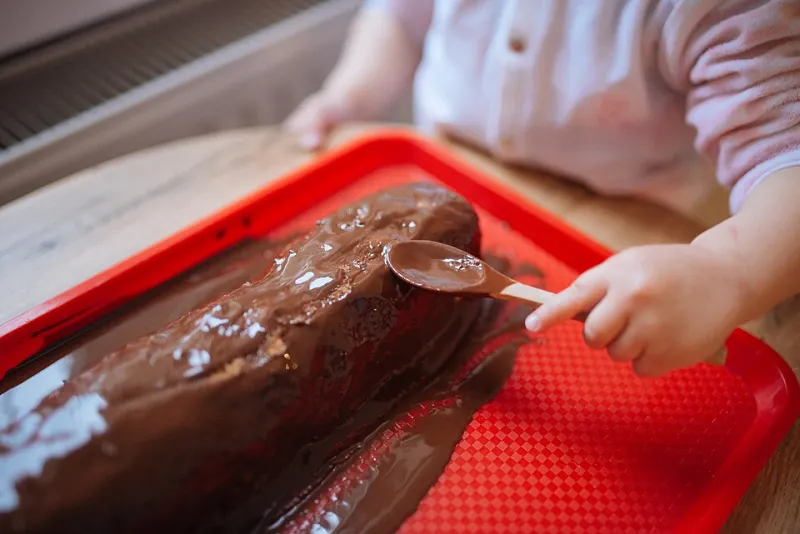
Photo: Shixart1985, CC BY 2.0, via Wikimedia Commons
There's something almost magical about pulling a tray of cookies out of the oven. The smell alone is enough to make the whole house feel like home. But if you've ever followed a recipe to the letter and still ended up with cookies that were too crispy, too cakey, or just plain off, you know that baking can feel more like a mystery than a kitchen craft.
Here at Sweet Pea Bakery, we believe that understanding the why behind baking makes the whole experience more joyful — and way more delicious. So today, we're diving into the science of cookie crumb structure. Don't worry, we'll keep it approachable. Think of it less like a chemistry lecture and more like a friendly chat over a warm cookie and a cup of coffee.
What Exactly Is "Crumb Structure," Anyway?
When bakers talk about crumb, they're referring to the interior texture of a baked good — the network of air pockets, moisture, and starches that make up what you experience with every bite. In cookies, crumb structure determines whether you get that satisfying chew, a delicate snap, or a melt-in-your-mouth softness.
Unlike bread, where crumb is largely influenced by gluten development and fermentation, cookie crumb is shaped by a surprisingly complex interplay of fat, sugar, eggs, flour, and even the temperature of your kitchen. Tiny adjustments to any one of these elements can completely change the cookie you end up with.
Butter: Cold, Room Temp, or Melted — It Really Does Matter
If you've ever noticed a recipe specifying "room temperature butter" and thought, close enough, this one's for you.
Butter temperature is one of the single biggest variables in cookie texture. Here's the breakdown:
- Cold butter creates layers and keeps cookies thicker because it takes longer to melt in the oven, limiting spread. Great for cookies you want to hold their shape.
- Room temperature butter (around 65–68°F) creams beautifully with sugar, trapping air bubbles that give cookies a lighter, slightly cakey texture.
- Melted butter skips the aeration step entirely, which means denser, chewier cookies with more spread. This is the secret behind a lot of bakery-style chewy cookies.
Browned butter takes things even further — it removes water content and adds a nutty depth of flavor, while also contributing to a chewier, slightly crispier result. If you haven't tried it yet, it's a game changer.
The Flour Factor: Protein Is Your Friend (Sometimes)
Not all flour is created equal, and the protein content of what you scoop into your bowl has a direct impact on your final cookie.
All-purpose flour typically runs between 10–12% protein. Higher protein means more gluten development, which creates a chewier, more structured cookie. Bread flour (around 12–14% protein) cranks that chewiness up a notch — some bakers swap in a small portion of it for extra bite.
On the flip side, cake flour clocks in around 7–9% protein and produces a more tender, delicate crumb. Cookies made with cake flour are softer and less chewy, which can be exactly what you want for a melt-away shortbread or a light sugar cookie.
The takeaway? If your cookies are coming out tougher than you'd like, try a lower-protein flour or reduce the amount of mixing after you add the flour — both help limit gluten development.
Sugar's Sneaky Role in Texture
Sugar isn't just about sweetness — it's a texture architect.
Granulated white sugar promotes spreading and crispiness. It doesn't hold moisture, so cookies made with primarily white sugar tend to crisp up as they cool.
Brown sugar, on the other hand, contains molasses, which is hygroscopic (meaning it attracts and holds onto moisture). Cookies with more brown sugar stay soft and chewy for longer — sometimes for days after baking.
Many recipes use a blend of both sugars to hit a sweet spot (pun absolutely intended) between crispy edges and a chewy center. Tinkering with that ratio is one of the easiest ways to customize a recipe to your personal preference.
Mixing Technique: The Step Most Home Bakers Rush
How you mix your dough matters just as much as what goes into it.
Overmixing after adding flour develops excess gluten, leading to tough, dense cookies. Undermixing can leave pockets of unincorporated flour or fat, causing uneven baking. The sweet spot is mixing just until the dry ingredients disappear into the dough.
Creaming butter and sugar properly is equally important. When a recipe says to cream for 3–5 minutes, it means it. That process introduces air into the fat, which directly affects how your cookies rise and what their internal texture looks like. Rushing this step is one of the most common reasons home-baked cookies fall flat — literally.
Chilling Your Dough: Patience Pays Off
If you've ever baked cookies straight from the mixing bowl versus after an overnight chill in the fridge, you've probably noticed a difference. Chilling dough does a few important things:
- Firms up the fat, so cookies spread less and hold their shape better.
- Allows the flour to fully hydrate, leading to a more complex flavor and improved texture.
- Concentrates sugars, which can contribute to better browning and a slightly crispier exterior.
Even a 30-minute chill can make a noticeable difference. An overnight rest? That's when the magic really happens.
Troubleshooting Your Favorite Recipe
Here's a quick-reference guide for common cookie texture problems:
| Problem | Likely Cause | Fix |
|---|---|---|
| Too flat and crispy | Butter too warm or too much white sugar | Chill dough; increase brown sugar ratio |
| Too cakey | Too much egg or baking powder | Reduce leavening; try melted butter |
| Too tough | Overmixed after flour added | Mix just until combined |
| Dry and crumbly | Not enough fat or overbaked | Add an extra yolk; reduce oven time |
| Doesn't stay chewy | Too much white sugar; no chilling | Swap in more brown sugar; rest dough overnight |
The Joy Is in the Experiment
At the end of the day, baking is both a science and an art. Understanding the mechanics behind what happens in your oven gives you the confidence to experiment — to tweak a recipe, try a new technique, or troubleshoot a batch that didn't quite turn out the way you hoped.
And honestly? Some of the best cookies we've ever made at Sweet Pea Bakery came from a happy accident in the kitchen. Now that you've got the science on your side, you're ready to make a few delicious accidents of your own.
Happy baking, sweet friends. 🍪