From Backyard to Batter: Growing the Ingredients That Make Your Baking Bloom
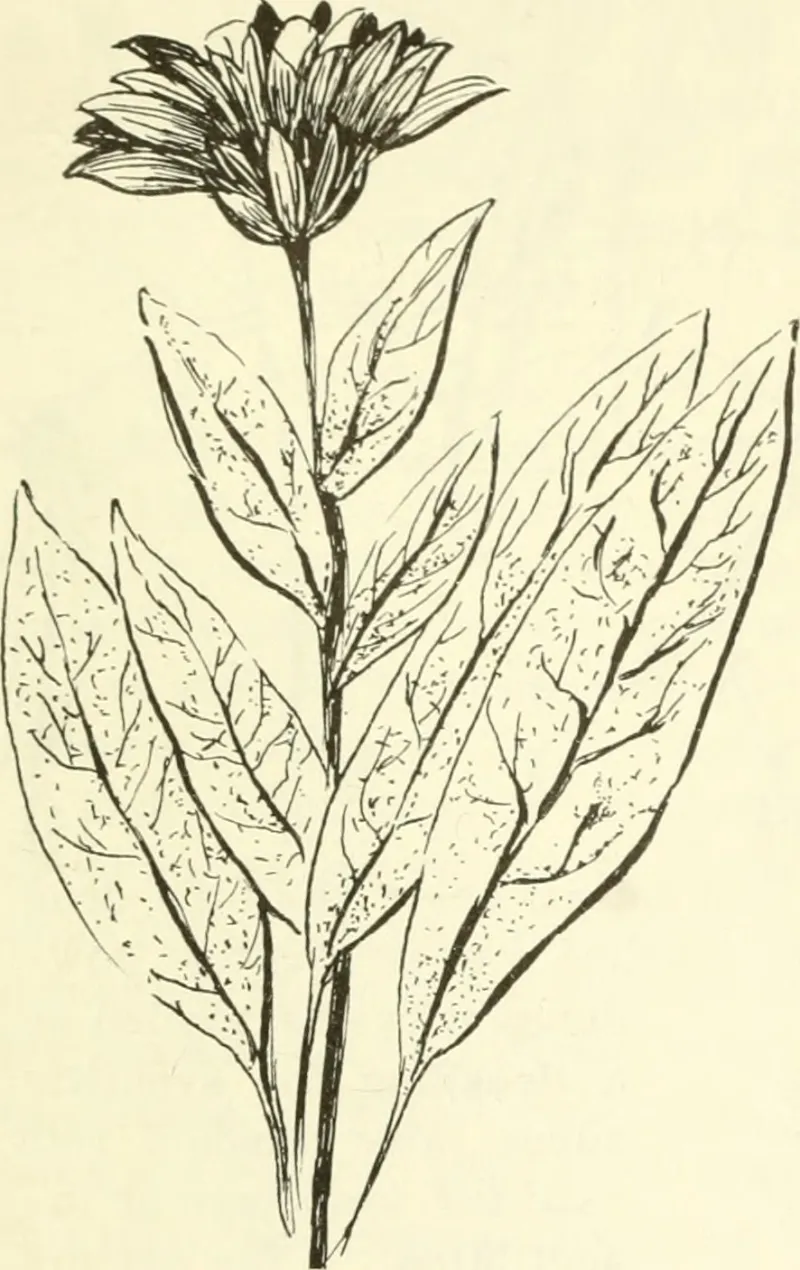
Photo: Internet Archive Book Images, No restrictions, via Wikimedia Commons
Here at Sweet Pea Bakery, our name isn't just a cute moniker — it's a whole philosophy. The sweet pea flower represents the kind of intentional, tender care we believe every baked good deserves. And nothing embodies that spirit quite like stepping outside, snipping a handful of fresh lavender, and folding it straight into a batch of shortbread dough. If you've ever wanted to close the gap between garden and kitchen, this one's for you.
Growing your own baking ingredients isn't some lofty, farm-to-table restaurant concept. It's genuinely doable for a home baker with a sunny windowsill, a raised bed, or even a few containers on an apartment balcony. Let's dig in.
Start Simple: The Best Plants for Beginner Baking Gardens
Not every herb or edible flower is created equal when it comes to ease of growing. If you're just getting started, lean toward these forgiving, rewarding plants:
Sweet Peas — Naturally, we have to begin here. While ornamental sweet peas (Lathyrus odoratus) are not edible, their garden pea cousins (Pisum sativum) absolutely are. Fresh garden peas add a delicate sweetness to savory scones, and pea tendrils make a gorgeous garnish on spring layer cakes. Grow them along a trellis in full sun and harvest pods when they're plump but still bright green.
Lavender — This is probably the most beloved baking herb you can grow, and it's surprisingly low-maintenance once established. English lavender varieties like 'Hidcote' or 'Munstead' thrive in well-drained soil with plenty of sun. In most US growing zones, it comes back year after year. The flavor is floral and slightly herbal — a little goes a long way in shortbread, lemon cakes, and honey glazes.
Mint — If anything, you'll need to contain mint rather than coddle it. Plant it in a pot to keep it from taking over your whole yard. Spearmint and chocolate mint are especially fun in baking — think mint sugar cookies, chocolate ganache with a fresh mint infusion, or chopped mint folded into a cream cheese frosting.
Rose — A classic cottage garden staple that pulls double duty as a baking ingredient. Roses need a bit more attention than lavender, but the payoff is stunning. Harvest petals early in the morning when their fragrance is strongest, and choose varieties you know haven't been treated with pesticides. Rose water made from your own petals is a revelation in sugar cookies and Middle Eastern-inspired pastries.
Chamomile — Small, cheerful, and surprisingly prolific. German chamomile is the easiest to grow from seed, and you can harvest the little daisy-like flowers throughout the summer. Steep them in warm cream for a chamomile-infused custard or panna cotta, or dry them and blend into a floral sugar.
Harvesting and Drying: How to Preserve What You Grow
The trick to using homegrown ingredients year-round is knowing when and how to harvest. For most herbs and flowers, the sweet spot is just before or right at peak bloom — that's when the essential oils (and therefore the flavor) are at their most concentrated.
For fresh use: Harvest in the morning after the dew has dried. Rinse gently, pat dry, and use the same day for the brightest flavor.
For drying: Bundle stems loosely with a rubber band and hang them upside down in a warm, dry spot with good airflow — a pantry, a covered porch, or even a corner of your kitchen works beautifully. Most herbs and flower buds dry completely within one to three weeks. Store them in airtight glass jars away from direct light.
Lavender drying tip: Strip the dried buds from the stems before storing. One tablespoon of culinary lavender buds is typically enough to perfume an entire batch of cookies.
Rose petal tip: Spread petals in a single layer on a parchment-lined baking sheet and dry them in your oven at the lowest setting (around 170°F) for one to two hours, checking frequently. They're done when they feel papery and crumble easily.
Creative Ways to Bake with Your Harvest
Once you've got a stash of homegrown ingredients, the real fun begins. Here are some of our favorite ways to weave garden flavors into everyday baking:
Lavender Lemon Pound Cake — Infuse your butter with dried lavender buds over low heat, strain, and use that fragrant butter in place of regular butter in your favorite pound cake recipe. Finish with a lemon glaze and a few fresh sprigs on top.
Rose Petal Buttercream — Add a teaspoon of homemade rose water and a pinch of finely crushed dried rose petals to a classic American buttercream. The result is a frosting that looks and tastes like something from a fancy patisserie — but it came from your backyard.
Mint Chocolate Chip Cookies — Swap out extract for a tablespoon of finely chopped fresh spearmint. The flavor is brighter and more complex than anything from a bottle.
Chamomile Honey Sugar — Blend dried chamomile flowers with granulated sugar in a food processor until finely combined. Use it to rim the tops of muffins or dust over shortbread for a subtle floral note.
Fresh Pea and Ricotta Galette — A savory option for your garden harvest: combine fresh peas, ricotta, lemon zest, and fresh mint in a rustic free-form pastry. It's the kind of thing that tastes like a warm afternoon in June.
The Bigger Picture: Why Growing Your Own Matters
There's something quietly powerful about knowing exactly where your ingredients came from. When you grow your own lavender or coax a rose bush into producing enough petals for a batch of cookies, you're participating in the full arc of the recipe — from soil to oven to table. That's the heart of what we mean at Sweet Pea Bakery when we talk about baking with love.
You don't need a sprawling homestead to make it happen. A few pots on a sunny patio, a small raised bed, or even a kitchen windowsill growing mint and chamomile is enough to start. Begin with one or two plants this season, get comfortable, and let the garden grow alongside your baking practice.
There's no better feeling than handing someone a slice of lavender cake and saying, I grew that myself.