Bake With the Calendar: How Fresh, In-Season Ingredients Make Everything Taste Better
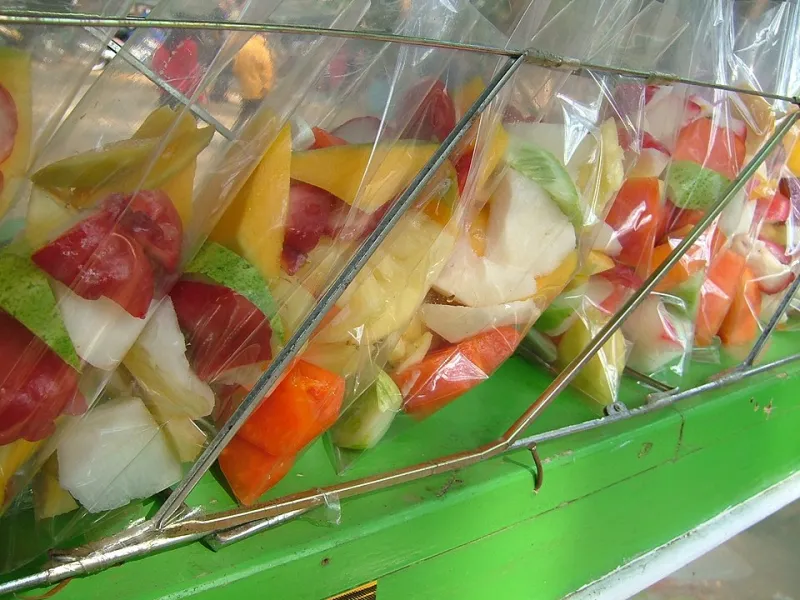
Photo: Sakurai Midori, CC BY-SA 3.0, via Wikimedia Commons
There's a little ritual that happens every spring at the Sweet Pea Bakery test kitchen. The moment the first bundles of rhubarb show up at the farmers market — those candy-pink stalks practically glowing under the early May sun — everything else on the baking calendar gets shuffled aside. Because rhubarb in season isn't just an ingredient. It's an event.
That's the thing about seasonal baking that cookbooks don't always spell out clearly: timing isn't just a logistical detail. It's the whole flavor story. A strawberry picked in June in the Midwest is a completely different creature than the pale, mealy one shipped across the country in January. And when you build a recipe around an ingredient at its peak, you're not just baking — you're capturing a moment.
Why Seasonality Matters More Than You Think
From a pure food science standpoint, freshness has a measurable impact on your finished bake. Fruits and vegetables begin losing sugars, moisture, and volatile aromatic compounds the moment they're harvested. That means a peach you buy in August at a local farm stand carries more natural sweetness, more juice, and a more complex fragrance than the same variety picked early and cold-stored for weeks.
For bakers, this matters on a practical level. A high-moisture, peak-season peach will release more liquid into your pie filling, which means you may need to dial up your thickener slightly. A just-harvested sugar pumpkin has denser, less watery flesh than canned pumpkin, so your bread or muffin batter will behave differently. Understanding these nuances — rather than fighting them — is what separates a good seasonal baker from a great one.
There's also the matter of flavor concentration. In-season produce simply tastes more like itself. You don't need to overload a summer blueberry muffin with vanilla extract and lemon zest to coax out flavor. The berries do the heavy lifting. Off-season, you'll find yourself compensating with extracts and spices just to get your bake to taste like something.
A Rotating Seasonal Baking Calendar
Spring (March – May)
Star ingredients: Rhubarb, strawberries, Meyer lemons, fresh mint
Spring is tart, bright, and a little unpredictable — just like the weather. Rhubarb is the undisputed queen of the spring bake. Its natural acidity pairs beautifully with sweet custard fillings, crumble toppings, and anything involving vanilla. A classic rhubarb-strawberry crisp is a perfect starting point, but don't sleep on rhubarb in savory-sweet muffins or a tangy upside-down cake.
Meyer lemons, still available through early spring, lend a floral, less-sharp citrus note that works wonderfully in pound cake and lemon bars. If you can get your hands on them, use them — they're a fleeting gift.
Adaptation tip: When fresh strawberries aren't available, frozen ones work surprisingly well in baked goods (not raw toppings). Thaw them, drain the excess liquid, and toss with a little extra cornstarch before folding into batter.
Summer (June – August)
Star ingredients: Peaches, blueberries, blackberries, cherries, zucchini, corn
This is peak season abundance, and the baker's job is mostly to get out of the way. Peach cobbler made with ripe August peaches needs almost nothing beyond butter, brown sugar, and a good biscuit dough. Same goes for a simple blueberry buckle or a cherry clafoutis.
Don't overlook the savory side of summer either. Fresh corn kernels folded into cornbread add a pop of sweetness and texture that frozen corn simply can't replicate. And zucchini — yes, the vegetable your neighbor keeps leaving on your porch — makes an incredibly moist quick bread that even people who claim to hate vegetables will eat happily.
Adaptation tip: Stone fruits like peaches and cherries freeze exceptionally well. Spread them on a sheet pan, freeze until solid, then transfer to bags. Frozen summer peaches in a January galette are genuinely soul-restoring.
Fall (September – November)
Star ingredients: Apples, pears, pumpkin, butternut squash, cranberries, figs
Fall is arguably the baker's favorite season, and for good reason. The produce is complex — earthy, sweet, and spiced-ready. Heirloom apple varieties like Honeycrisp, Cortland, and Mutsu each bring different baking personalities. Honeycrisp holds its shape well in a tart. Cortland breaks down beautifully into applesauce cake.
Fresh sugar pumpkin or kabocha squash, roasted and pureed at home, will give your pumpkin bread a silkier, more nuanced flavor than the canned version. It takes about 20 extra minutes of roasting time, but the payoff is real.
Adaptation tip: Canned pumpkin is a perfectly respectable off-season substitute — just reduce other liquids in your recipe slightly, since it tends to be denser and drier than fresh puree.
Winter (December – February)
Star ingredients: Citrus (blood oranges, cara cara, navel), pomegranate, dried fruits, warming spices
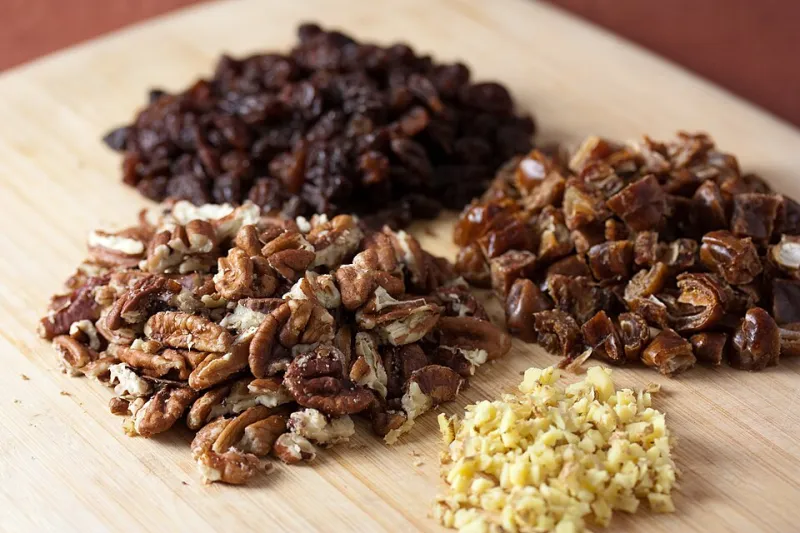
Winter baking leans into preserved and concentrated flavors. Dried cranberries, apricots, and currants bring intense sweetness to scones and loaf cakes. Blood oranges — available from December through March — add a gorgeous ruby color and a raspberry-like citrus note that makes a stunning glaze or curd.
This is also prime season for spice-forward bakes. Cardamom, ginger, cinnamon, and clove aren't just holiday flavors — they're the backbone of winter baking, warming from the inside out.
Adaptation tip: Pomegranate arils don't bake well (they turn bitter under heat), but pomegranate molasses is a stunning ingredient to fold into glazes, brownies, or even a dark chocolate cake batter.
Shopping Seasonal: Practical Tips for Home Bakers
You don't have to live near a farm to bake seasonally. Here's how to make it work wherever you are:
- Hit the farmers market early. The best stuff — and the vendors willing to give you the backstory on their produce — goes fast.
- Check your grocery store's "local" signage. Many stores now label regional produce, and it's almost always fresher than what's been shipped across the country.
- Learn your freezer. Seasonal baking doesn't have to stop when the season does. A well-stocked freezer of summer berries and fall apple slices means you're baking with the best flavors year-round.
- Taste before you bake. This sounds obvious, but it matters. If a peach is barely sweet, add a little more sugar. If a lemon is especially tart, ease up. Your palate is your best kitchen tool.
The Deeper Joy of Seasonal Baking
Beyond the flavor science, there's something almost ceremonial about baking with what's in season. It creates a rhythm to the year. You start to look forward to things — to the first rhubarb, to the last summer peach cobbler, to the moment the apple cider doughnuts feel right again. It gives baking a sense of occasion that no recipe written for any-time-of-year can quite replicate.
At Sweet Pea Bakery, we believe the best bakes carry a little bit of where and when they were made. Bake with the calendar, and your kitchen will always smell like the very best version of right now.