Don't Let the Oven Be the Last Thing You Do Right: A Baker's Complete Guide to Keeping Baked Goods Fresh
There's a particular kind of heartbreak that happens the morning after a big bake. You pull back the plastic wrap on your gorgeous banana bread, slice yourself a piece, and — it's dry. Or gummy. Or weirdly dense in a way it definitely wasn't last night. The baking was perfect. So what went wrong?
Nine times out of ten, the answer is storage. It's the step most home bakers rush through or skip entirely, and it quietly undoes all the careful work that came before it. Think of proper storage as the final ingredient in every recipe — the one that doesn't appear in the instructions but absolutely determines how your baking tastes on day two, three, or even a week from now.
Let's fix that.
Why Baked Goods Go Stale (It's Not What You Think)
Most people assume staleness is about moisture loss — that bread dries out because air gets to it. That's partly true, but the fuller picture is more interesting. Staleness in bread and other starchy baked goods is largely driven by a process called starch retrogradation. When starches cool after baking, they slowly recrystallize, which makes the crumb firm and dry-tasting even if the bread hasn't actually lost that much water.
Here's the kicker: that process happens faster in the refrigerator. Cold temperatures accelerate starch retrogradation, which is why a loaf of bread stored in the fridge often tastes staler than one left on the counter. The fridge isn't always your friend.
For high-fat items like cakes, cookies, and pastries, the story shifts. Fat helps slow staling, but it also means these items can go rancid or pick up off-flavors if exposed to air or stored incorrectly. Understanding what's in your baked goods helps you figure out how to protect them.
Bread: The Counter Is (Usually) Your Best Bet
For most everyday breads — sandwich loaves, dinner rolls, quick breads like zucchini or pumpkin — room temperature storage is the right call, as long as you're eating them within two to three days. The key is keeping air out without trapping too much moisture.
- Crusty artisan breads and sourdough are best stored cut-side down on a wooden cutting board or loosely wrapped in a clean kitchen towel. A tight plastic bag will soften that beautiful crust overnight. If you want to keep it longer than a day, slice and freeze it — more on that in a moment.
- Soft sandwich bread does well in a zip-top bag or airtight bread box at room temperature. Squeeze out excess air before sealing.
- Quick breads (banana bread, zucchini bread, etc.) should be cooled completely before wrapping. Wrapping them warm traps steam and makes the crust gummy. Once cool, wrap tightly in plastic or store in an airtight container. They actually tend to taste better on day two, once the flavors have had time to mellow and meld.
If you live somewhere humid — think the Gulf Coast in summer — bread can mold faster than you'd expect at room temperature. In that case, slicing and freezing is smarter than leaving a whole loaf on the counter.
Cakes and Cupcakes: Frosting Changes Everything
The frosting on your cake isn't just decorative — it's also acting as a moisture barrier. An unfrosted cake layer dries out quickly and should be wrapped tightly in plastic wrap and stored at room temperature for up to two days, or refrigerated for up to five.
Frosted cakes are a different situation entirely:
- Buttercream-frosted cakes can sit at room temperature (covered with a cake dome or inverted bowl) for up to two days. The buttercream seals in moisture beautifully.
- Cream cheese or whipped cream frostings require refrigeration. Store these cakes loosely covered in the fridge, but let slices come back to room temperature before eating — cold cake loses a lot of its flavor and tenderness.
- Fondant-covered cakes should not go in the fridge. The humidity causes fondant to sweat and become sticky. Keep them at cool room temperature.
For cupcakes, an airtight container at room temperature works well for one to two days. If you're storing them unfrosted, the same rules apply as for cake layers.
Cookies: Crispy and Chewy Don't Play by the Same Rules
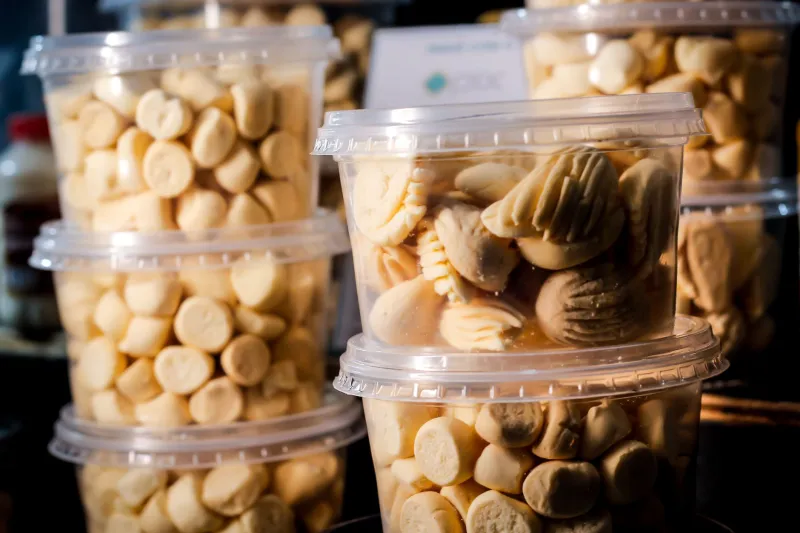
Here's where a lot of bakers go wrong: they store all their cookies together and wonder why the crispy ones went soft. The culprit is moisture migration. Chewy cookies release moisture into the air inside the container, which gets absorbed by crispy cookies. Store them separately, always.
- Crispy cookies (like thin gingersnaps or lace cookies) stay crispiest in a container that's not fully airtight — a cookie tin with a loose-fitting lid works perfectly.
- Chewy cookies (chocolate chip, snickerdoodles, soft ginger molasses) need an airtight container to hold onto their moisture. Toss in a small piece of white bread or a brown sugar bear to help maintain softness.
- Decorated sugar cookies with royal icing should be stored in a single layer, uncovered, until the icing sets completely — usually overnight. After that, layer them between sheets of parchment in an airtight container.
Pastries and Pies: Handle With Care
Delicate pastries — croissants, Danish, cream puffs, éclairs — are best eaten the day they're made. Full stop. That said, if you need to store them:
- Croissants and laminated pastries can be refreshed in a 350°F oven for five to eight minutes. Store them loosely at room temperature; plastic wrapping will destroy the flaky layers.
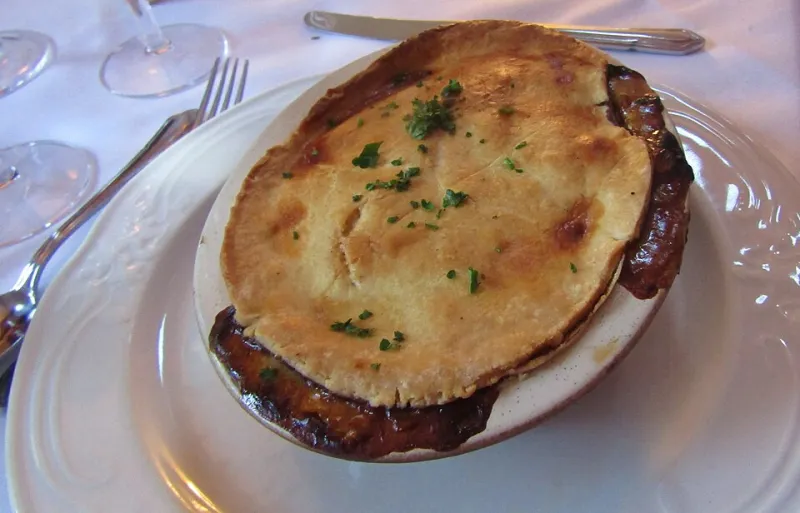
- Fruit pies can sit at room temperature for up to two days, covered loosely with foil or plastic. Refrigerate after that.
- Custard and cream pies (pumpkin, pecan, chess pie, anything with eggs) must be refrigerated within two hours of baking.
The Freezer Is Your Best Friend — If You Use It Right
Freezing is genuinely one of the most underused tools in a home baker's kit. Almost everything freezes beautifully if you do it correctly:
- Cool completely before freezing. Warm baked goods create ice crystals that damage texture.
- Wrap tightly — first in plastic wrap, then in a layer of foil or a zip-top freezer bag. Double wrapping prevents freezer burn.
- Label with the date. Frozen baked goods are best within one to three months.
- Thaw at room temperature, still wrapped, to prevent condensation from making things soggy.
Bread slices, muffins, cookie dough balls, unfrosted cake layers — all of these freeze like champions and can make a future weeknight feel like a holiday.
A Note on Containers
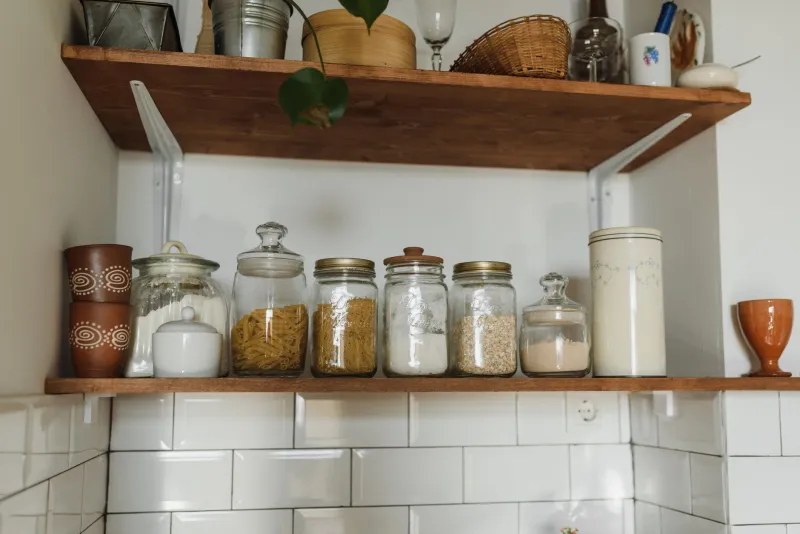
Not all airtight containers are equal. Glass and hard plastic containers with rubber-sealed lids do the best job of keeping air and humidity out. Zip-top bags work well for items you'll use quickly. For breads and pastries where you want some airflow, a classic ceramic cookie jar or a wooden bread box is still one of the best tools around.
The Last Step Is Worth Getting Right
You put your heart into every loaf, every layer cake, every dozen cookies. The mixing and the baking get all the attention, but the way you store what you've made is what determines how it tastes when someone finally takes that first bite — whether it's you, your family, or a friend you're dropping a treat off for.
Store it well, and your baking will still taste like love, even three days later.