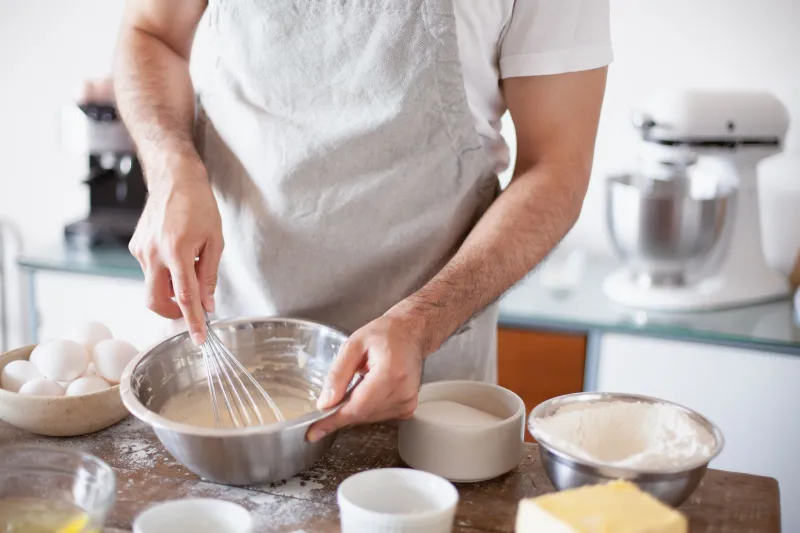
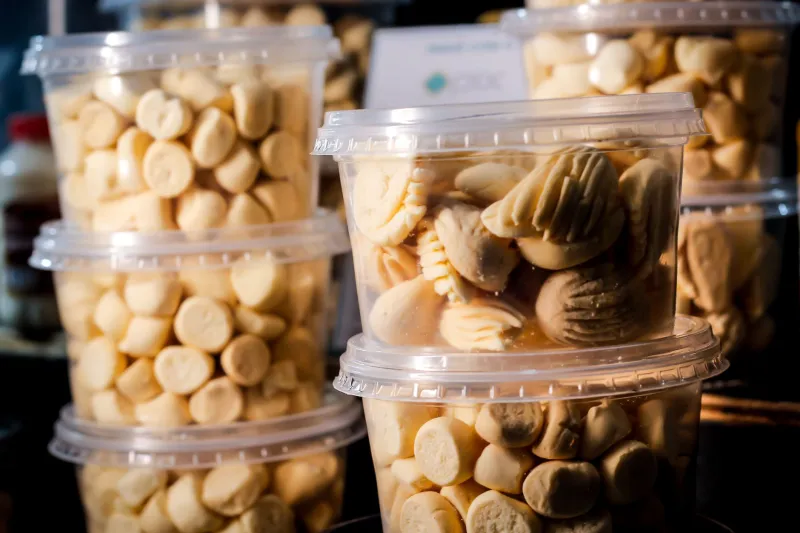
Rest, Chill, Repeat: The Surprising Truth About What Happens When You Let Cookie Dough Sleep
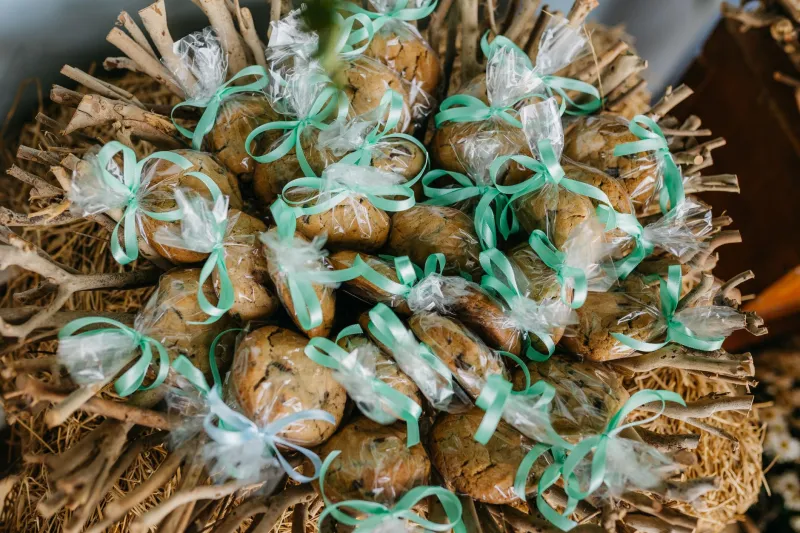
You've seen it in nearly every chocolate chip cookie recipe worth its salt: Chill dough for at least 30 minutes, or overnight for best results. And maybe, like a lot of home bakers, you've skipped that step more than once because — let's be honest — waiting is hard when your kitchen already smells like brown butter and vanilla.
But here's the thing. That rest period isn't just a suggestion someone tossed in to make the recipe look more serious. Something genuinely transformative is happening inside that bowl while it sits in your fridge. The question isn't really should you chill your dough — it's why does it work, and when does it actually matter?
Let's pull back the curtain on one of baking's most underrated techniques.
What's Actually Going On in That Cold Dough?
When cookie dough chills, a whole cascade of chemistry quietly unfolds. The most significant thing happening is moisture redistribution. As the dough rests, water from the wet ingredients — eggs, butter, any liquid extracts — slowly migrates into the flour. This hydration process matters because more fully hydrated flour means a firmer, more cohesive dough that spreads less in the oven.
Less spread equals a thicker, chewier cookie. If you've ever baked two batches of the same dough — one straight from the mixing bowl and one after an overnight rest — you've probably noticed the chilled batch comes out taller, with slightly crisped edges and a soft, almost fudgy center. That's hydration doing its thing.
But moisture isn't the only player here. Enzymatic activity is the quieter hero of the chilling process. Enzymes naturally present in flour begin breaking down starches into simpler sugars during the rest period. More free sugars mean deeper caramelization in the oven, which translates to that gorgeous toffee-like complexity you get from a properly rested chocolate chip cookie. It's the difference between a cookie that tastes sweet and a cookie that tastes interesting.
Finally, cold fat — particularly butter — stays firmer longer during baking. This slows the spread, giving the cookie structure time to set before the whole thing flattens into a puddle. Room-temperature dough goes into a hot oven soft and pliable; chilled dough goes in with a little more backbone.
How Long Should You Actually Wait?
This is where it gets practical. Resting times aren't one-size-fits-all, and the payoff varies depending on how long you're willing to wait.
- 30 minutes to 1 hour: You'll notice a modest improvement in spread control. Good if you're short on time but still want a little structure.
- 24 hours: This is the sweet spot most bakers swear by. Flavor is noticeably more complex, texture is more consistent edge to center, and the color tends to be a deeper, more even golden brown.
- 48 to 72 hours: You're getting into serious enthusiast territory here. The enzymatic activity has more time to work, and the resulting flavor depth can be remarkable — almost caramel-forward, with a slightly crispier exterior.
Beyond 72 hours, most doughs start to lose their luster. The dough can oxidize, the leavening starts to weaken, and you risk off-flavors developing. Wrap it tightly and use it within three days for the best results.
When Chilling Actually Doesn't Help (Or Even Hurts)
Here's where we get to break some rules, and honestly, that's the fun part.
Cakey cookies — think soft frosted sugar cookies or those pillowy pumpkin spice drops — often rely on baking powder for lift and a deliberately tender, open crumb. Chilling these can actually work against you, causing the leavening to start activating too early and leaving you with less rise in the oven. Bake these fresh.
Slice-and-bake shortbreads and icebox cookies are a different story. These actually need to chill — not for flavor development, but for structural integrity. The dough has to be cold enough to slice cleanly. But the flavor transformation is minimal because shortbread is already simple by design. The chill here is functional, not chemical.
Bar cookies and brownies are generally better baked right away. The batter is liquid enough that chilling doesn't meaningfully change spread, and the dense, fudgy texture you're after comes from the baking process itself, not a rest period. Stick them in the oven while the batter is still warm from the mixing bowl.
Drop cookies with a lot of mix-ins — like oatmeal raisin or loaded kitchen-sink cookies — can benefit from chilling, but the transformation is subtler. The oats absorb moisture during the rest, which can actually improve texture significantly. Worth trying at least once.
Reading Your Kitchen Conditions
Here's something most recipes don't mention: your kitchen environment matters just as much as the recipe itself.
If you bake in a warm kitchen — especially in summer or in homes without great AC — chilling your dough isn't optional, it's survival. Warm dough spread aggressively in a hot kitchen can give you flat, greasy cookies before you even get a chance to appreciate the flavor. The fridge is your friend.
Conversely, if your kitchen runs cold (hello, drafty Midwest winters), your dough may already be firmer than average. You might find that even 20 minutes of chilling is enough to get the results you're after.
Pay attention to how your cookies are behaving batch to batch. If they're spreading too much, more chill time is almost always the answer. If they're coming out too puffy and not spreading enough, you may have over-chilled or your flour is absorbing too much moisture — try letting the dough sit at room temperature for 10–15 minutes before scooping.
A Few Practical Tips Before You Preheat
- Scoop before you chill. Portioning cold dough is genuinely miserable. Scoop your cookies onto a parchment-lined sheet, cover loosely, and chill them pre-portioned. You'll thank yourself later.
- Cover it well. Dough left uncovered in the fridge will develop a dry, slightly crusty surface that doesn't bake evenly. Plastic wrap pressed directly onto the dough, or a tight-lidded container, keeps things fresh.
- Don't skip the chill on brown butter doughs. Brown butter is liquid when warm and needs time to re-solidify. Skipping the chill on these recipes almost guarantees a greasy, flat cookie. This one's non-negotiable.
- Label your dough. If you're chilling multiple batches, write the date and recipe on the container. Future you will appreciate the organization.
The Bottom Line
Chilling cookie dough is one of those techniques that sounds like a minor detail until you actually experience the difference it makes. Better flavor, better texture, better spread control — it's a lot of payoff for what is essentially just patience.
But the best bakers aren't the ones who follow every rule blindly. They're the ones who understand why the rule exists, so they know exactly when to set it aside. Now that you know what's happening in that cold dough, you're equipped to make that call yourself — one delicious batch at a time.
Happy baking, sweet peas. The cookies are worth the wait.