Turn Your Oven into a Force for Good: How to Run a Bake Sale That Actually Makes a Difference
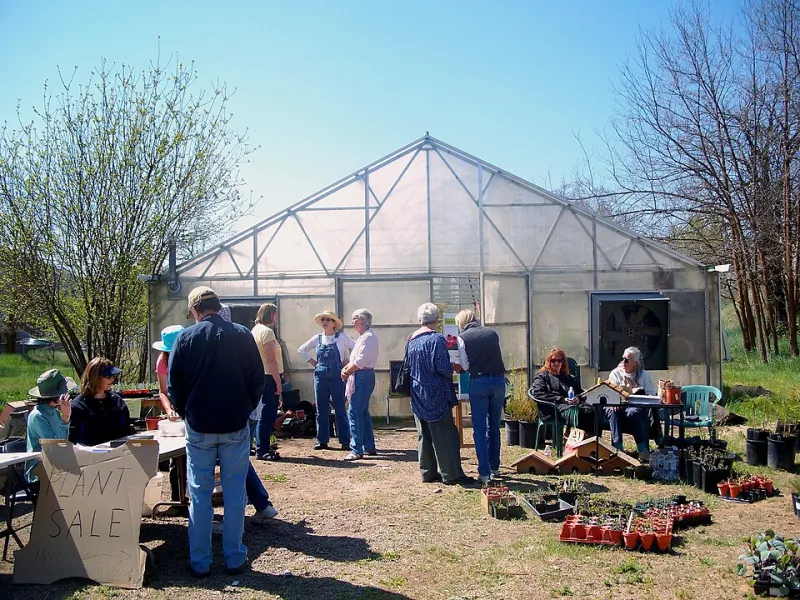
Photo: Pacific Southwest Region 5, Public domain, via Wikimedia Commons
There's a reason the phrase "baked with love, shared with joy" resonates with so many people. Baking has always been one of the most generous acts a person can offer — a tangible, edible expression of care. And when you channel that generosity toward your community, something remarkable happens. Neighbors stop to chat. Kids learn that small actions matter. And somehow, a table covered in cookies and quick breads becomes the center of something much bigger than the sum of its parts.
Bake sales have funded school field trips, covered medical bills, stocked food pantries, and rebuilt communities after disasters. If you've been thinking about organizing one — for your child's school, a local nonprofit, a friend going through a hard time — this guide is for you.
Define Your Purpose Before You Preheat
The most successful bake sales start with a clear why. Before you even think about recipes, nail down the basics:
- Who are you raising money for? A local animal shelter? A school's art program? A family facing unexpected medical expenses? The more specific your cause, the more it resonates with buyers.
- What's your fundraising goal? Having a concrete number — say, $500 for new playground equipment or $1,200 for a class trip — gives donors a target and creates momentum as you get closer.
- Where and when will it happen? A Saturday morning at a farmers market, a Friday afternoon outside a school, or a Sunday after a church service are all tried-and-true spots with built-in foot traffic.
Once you've answered those questions, the logistics become much easier to organize.
Scaling Recipes Without Losing Your Mind
Here's where the baking science comes in. Scaling up a recipe sounds straightforward — just multiply everything by four, right? Mostly yes, but there are a few things worth knowing before you go full production mode.
Leavening agents don't scale linearly. If a recipe calls for 1 teaspoon of baking powder and you're making four batches, you don't automatically use 4 teaspoons in one big bowl. Baking powder and baking soda can actually have diminishing returns at high volumes. As a general rule, when multiplying a recipe by 4 or more, start with 3.5x the leavening and adjust from there.
Spices and extracts get stronger, not weaker. When you scale up, vanilla extract and spices like cinnamon can become overpowering. Scale these to about 75% of the mathematical total and taste as you go.
Mixing time matters. A stand mixer can only handle so much dough at once. Rather than trying to fit a quadruple batch into one bowl, make two double batches. You'll get more consistent results and avoid overworking the gluten.
Bake in consistent quantities. Use a cookie scoop for uniform cookies, a muffin tin for consistent muffin sizes, and a kitchen scale for bar cookies and brownies. Uniform sizing isn't just about aesthetics — it makes pricing much easier.
Choose Your Menu Strategically
Not every baked good is created equal when it comes to bake sale success. Here's a practical breakdown:
High sellers: Classic chocolate chip cookies, brownies, Rice Krispie treats (yes, they count), and anything with frosting on top. Familiar favorites sell fast.
Premium items: Decorated sugar cookies, layer cake slices, and specialty loaves like banana walnut bread can command higher prices and attract buyers looking for something a little special.
Allergy-friendly options: Having at least one or two clearly labeled gluten-free or nut-free items expands your customer base significantly and shows thoughtfulness.
Avoid: Anything that requires refrigeration, items that crumble easily during transport, or recipes with a very short shelf life. You want things that look great and hold up for a few hours on a table.
Packaging, Presentation, and Pricing
People eat with their eyes first, especially at a bake sale. A little presentation goes a long way.
- Individual wrapping in clear cellophane bags tied with a ribbon makes items feel special and hygienic. Bakery boxes from a craft store work beautifully for brownies and bar cookies.
- Labels matter. A small handwritten tag with the item name, a list of major allergens, and your cause creates transparency and trust. "Chocolate Chip Cookies — Raising money for Lincoln Elementary's new library books" is a compelling little story on a two-inch tag.
- Pricing strategy: Research shows that round numbers ($1, $2, $3) move faster than precise amounts. For a standard bake sale in most US markets, cookies sell well at $1–$2 each, brownies at $2–$3, and specialty items at $4–$6. If you have a Venmo or PayPal QR code displayed prominently, you'll catch buyers who don't carry cash — and that's a significant chunk of the population these days.
The Human Side of It All
Ask any experienced community baker and they'll tell you the same thing: the bake sale itself is almost secondary to what happens around it. People stop, they ask about the cause, they share their own stories. A woman in Ohio raised over $3,000 for her neighbor's cancer treatment fund through a series of weekend bake sales — and she'll tell you the money mattered, but so did the conversations.
A mom in suburban Atlanta organized monthly bake sales at her farmers market to fund school supplies for underprivileged kids in her district. Within a year, she had a rotating team of a dozen neighborhood bakers contributing each month. What started as a solo effort became a community ritual.
These aren't outliers. They're what happens when people decide their baking skills are worth sharing beyond their own dining room table.
A Few Final Tips to Set You Up for Success
- Recruit helpers early. More bakers means more variety, less burnout, and a stronger sense of collective ownership over the event.
- Promote on social media and neighborhood apps like Nextdoor. A post with a photo of your baked goods and a clear description of the cause can drive serious foot traffic.
- Have a sign-up sheet. Capture emails from interested buyers — they may want to support your next sale too.
- Thank your bakers and your buyers publicly. A post-event thank-you on social media with a photo of the final fundraising total is a feel-good moment that keeps momentum alive for future events.
Your oven is more powerful than you might realize. Every tray of cookies, every loaf of banana bread, every carefully decorated cupcake is a small act of generosity that adds up to something genuinely significant. That's what shared with joy really means — and a bake sale is one of the most direct, delicious ways to live it out.